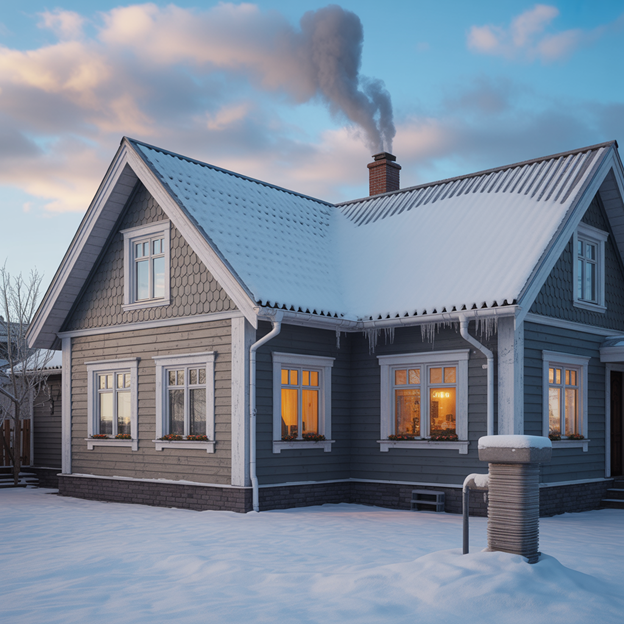
Remember last winter when your heating bill was higher than your car payment? Yeah, that's what happens when your home leaks heat like a sieve. And I bet you swore "never again."
With winter creeping closer, now's the time to prep your home for the cold months ahead. The right winterization strategies don't just keep you cozy—they slash those painful utility bills too.
Most homeowners wait until the first frost to think about winter home preparation, but by then, you've already lost money. The professionals who do this for a living start in early fall for a reason.
What's the one weekend project that can save you hundreds this winter? The answer might surprise you...
Winter doesn't mess around. Those tiny gaps around your windows and doors? They're basically inviting the cold air in while letting your precious heat (and money) escape. Trust me, you'll feel the difference immediately after sealing these sneaky air leaks.
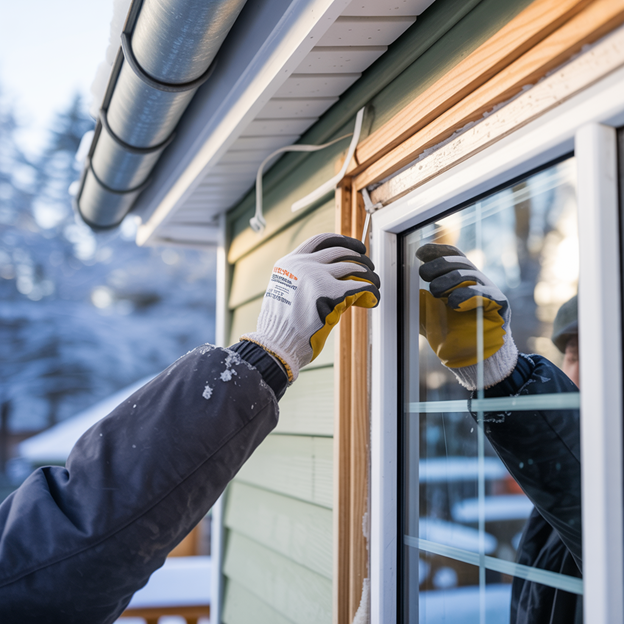
Start by running your hand around window frames and door edges on a cold day. Feel that draft? That's where you need to focus. Weather stripping is your best friend here - it's cheap, easy to apply, and works wonders. For windows, rope caulk is super simple to use - just press it into the gaps. For doors, adhesive-backed foam tape works great for the sides and top, while a door sweep handles the bottom gap.
Don't forget those electrical outlets on exterior walls! They leak more air than you'd think. Grab some foam gaskets that fit behind the cover plates - installation takes seconds.
Your gutters might seem like a minor detail, but they're actually your first line of defense against water damage during winter freezes.
When gutters get clogged with leaves and debris, melting snow can't drain properly. The water backs up, refreezes, and creates ice dams that can force water under your shingles and into your home. Not exactly the indoor water feature you wanted, right?
Get up there while it's still relatively warm and scoop out all that gunk. A garden trowel works perfectly. Then flush the gutters with a hose to check for proper drainage. While you're at it, look for loose brackets or sagging sections that need repair.
Consider installing gutter guards if you're tired of this annual chore. They keep leaves out while letting water flow freely. Your future self will thank you.
Your roof takes a beating all year, but winter can be especially brutal. Missing or damaged shingles now mean potential leaks when snow starts melting.
Grab a pair of binoculars and scan your roof from ground level (much safer than climbing up there). Look for shingles that are curling, cracked, or missing entirely. Dark spots might indicate worn areas where granules have washed away.
Pay special attention to areas around chimneys, vents, and skylights—these transition points are common trouble spots. If you spot significant damage, don't wait until spring. Call a professional roofer now. Even minor repairs are much easier (and cheaper) to handle before winter storms hit.
If you're comfortable with DIY repairs and the damage is minimal, replace individual shingles on a warm, dry day. Just remember that roof work can be dangerous—when in doubt, hire it out.
Frozen pipes aren't just inconvenient—they're expensive disasters waiting to happen. When water freezes inside your outdoor faucets and connected pipes, it expands with enough force to crack them open. Come spring thaw, you'll have water spraying everywhere.
First, disconnect all garden hoses and drain them completely. Leaving them attached is practically guaranteeing trouble.
Next, shut off the water supply to exterior faucets using the interior shut-off valve (usually located in your basement or crawlspace). Open the outdoor faucet to drain any remaining water, and leave it open slightly throughout winter.
For extra protection, install foam faucet covers on all outdoor spigots. They cost just a few bucks at any hardware store and take seconds to install. If you don't have interior shut-off valves, these covers become even more essential.
For homes in extremely cold climates, consider replacing standard faucets with frost-free models that store the actual valve inside your heated home.
Don't wait until your furnace conks out during the first cold snap. Smart homeowners book their HVAC inspection in early fall. Why? Because everyone scrambles for appointments once temperatures drop, and you'll be stuck freezing for days waiting for an available technician.
A pro will check combustion efficiency, inspect heat exchangers for cracks, test safety controls, and make sure carbon monoxide isn't leaking into your home. This Aed 80-150 investment can prevent a Aed 1000+ emergency repair later.
Dirty filters are like trying to breathe through a pillow - they make your system work way harder than it should. I change mine monthly during winter when the system's running constantly.
Clogged filters:
A basic filter costs about Aed 10-20. That's pennies compared to what you'll save on energy and avoiding premature system replacement.
If you have hot water radiators, they probably need bleeding. When your radiator is cold at the top but warm at the bottom, that's trapped air preventing proper heat flow.
You'll need:
Turn the valve counterclockwise until you hear hissing. Once water starts dripping, close it up. Do this for every radiator in your home.
Stop heating an empty house! A programmable thermostat can cut your heating bills by 10-30% by automatically lowering temperatures when you're away or sleeping.
The newest smart models learn your schedule, adjust based on weather forecasts, and let you control everything from your phone. Many utility companies even offer rebates that make them practically free.
That cozy fireplace can turn dangerous fast if neglected. Creosote buildup causes thousands of house fires annually.
Before your first fire of the season:
Wood-burning fireplaces should be inspected annually. Gas fireplaces need checking every 2-3 years.
Cold air sneaking into your home? That's money flying straight out of your wallet. Insulating your attic and crawl spaces is hands-down the smartest move you can make this winter.
Most homes leak heat like a sieve through these spaces. Just adding a layer of insulation can cut your heating bills by up to 15%. That's real money staying in your pocket.
The best part? You don't need to be a DIY guru. Rolled fiberglass insulation is pretty straightforward to install yourself. For attics, aim for an R-value of at least R-49 in colder regions. Crawl spaces should hit at least R-25.
If you're not the DIY type, a professional installation pays for itself within a few winters. Trust me, your future self will thank you when those heating bills arrive.
Those tiny gaps around your doors and windows? They're costing you big time. A 1/8-inch gap under a door lets in as much cold air as a small hole in your wall.
Weatherstripping is cheap, easy to install, and works wonders. Options include:
An Aed 20 investment in weatherstripping can save you Aed 100+ on winter heating costs. And installation is a breeze—most types just peel and stick.
Windows lose heat 10 times faster than walls. Thermal curtains can cut that heat loss by up to 25%.
These aren't your grandma's curtains. Modern thermal options come in stylish designs that actually look good while saving you money. Hang them close to the window and let them touch the floor for maximum effect.
The secret is in the layers—most thermal curtains have multiple fabric layers with insulating material sandwiched between them. They work double-duty too, keeping your home cooler in summer.
Got ceiling fans? Flip that little switch on the motor housing to reverse the rotation for winter. When running clockwise at low speed, ceiling fans push warm air (which naturally rises) back down into your living space.
This simple trick can make your room feel 2-4 degrees warmer without touching your thermostat. Just remember—slow speed is key. You want gentle air circulation, not a winter breeze.
This costs absolutely nothing to do but can cut heating costs by up to 10%. Smart, right?
Winter means closed windows and increased use of heating systems—perfect conditions for silent killers like carbon monoxide. When was the last time you tested your detectors? Most people can't remember.
Press those test buttons now, not when you're knee-deep in snow. Replace batteries regardless of how "fine" they seem. Trust me, that 9-volt battery costs way less than an emergency room visit.
Got detectors more than 7 years old? Toss them. They're practically useless at that point. And please, install detectors on every level of your home, especially near bedrooms. Your family can't respond to alarms they can't hear.
Winter storms knock out power like it's their job. So what happens when you're sitting in the dark with no heat for three days?
Put together a proper emergency kit now:
Store everything in one accessible place—not scattered throughout your house where you'll never find it with a flashlight clenched between your teeth.
Snow is magical—until you're trapped in your driveway at 7 AM trying to dig out for work.
Map out your snow removal strategy now:
Consider arrangements with neighbors for shared snow removal or have a local service on speed dial. Nothing worse than trying to find help when everyone else is too.
Winter sees a 30% spike in house fires. Why? Space heaters, fireplaces, candles, and holiday decorations.
Grab your fire extinguisher and check:
Can't remember when you bought it? If it's over 10 years old, replace it. And please make sure everyone knows how to use it. The middle of a fire isn't the time for a tutorial.
When your main heating system fails during a cold snap, temperatures inside drop frighteningly fast.
Have backup heating options ready:
The key word here is SAFE alternatives. Every winter, people die from carbon monoxide or house fires caused by desperate, unsafe heating choices. Never use your oven as a heater. Never bring outdoor equipment inside. And never run generators indoors or in attached garages.
Know which room in your house retains heat best—that's your "warm room" where everyone should gather if heating fails.
Did you know that little switch on your ceiling fan actually serves a purpose? In winter, flip it so your fan rotates clockwise. This simple change pushes warm air that naturally rises back down to where you actually live—not just hanging out near your ceiling.
Most people miss this trick, but it can cut your heating costs by up to 15%. Just make sure to run the fan at its lowest speed. You're not trying to create a wind tunnel effect—just gentle air movement that redistributes heat.
Those sneaky cold drafts aren't just uncomfortable—they're literally sucking money right out of your wallet. Grab a candle and slowly move it around your doors and windows. If the flame dances, you've found an air leak.
Door sweeps are crazy easy to install on exterior doors—just screw or nail them to the bottom of your door. For interior doors to unheated spaces, grab a cute draft stopper (or make one from an old sock filled with rice).
The gap between your door and floor might seem tiny, but it can let in the same amount of air as a 4-inch hole in your wall. Wild, right?
Winter air is basically a moisture vampire. When your heating system runs, indoor humidity can drop below 10%—drier than some deserts! This isn't just uncomfortable—it makes you feel colder even when the temperature stays the same.
Before the first cold snap hits, clean your humidifiers thoroughly with vinegar to remove mineral deposits. Replace filters and check for any issues. Position units in bedrooms and main living areas for maximum benefit.
Optimal indoor humidity should be between 30-50%. Too high and you risk mold issues; too low and you'll wake up with a scratchy throat and cracked lips.
Preparing your home for winter is all about comprehensive protection—from weatherproofing exteriors and maintaining heating systems to implementing energy-saving measures. Taking preventive steps with safety preparations and interior protection not only ensures comfort during cold months but also prevents costly damage from winter elements.
Don't wait until the first snowfall to take action. By addressing these key areas now, you'll create a warm, efficient sanctuary that stands strong against winter's challenges. Take the time this weekend to tackle your winterization checklist—your future self (and your utility bills) will thank you.